Seoul laments missed chance for joint taekwondo listing, says South-North tensions and previous administration behind 'insufficient' effort
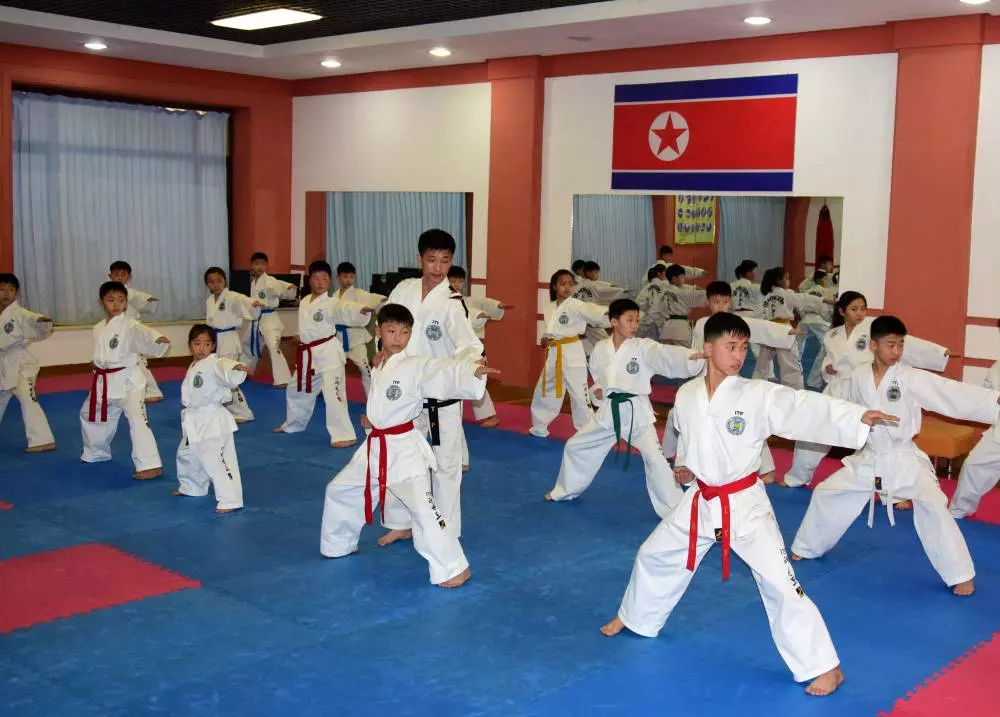
South Korea's efforts to secure a UNESCO inscription of taekwondo with North Korea appear to have effectively stalled, as Pyongyang moves closer to having the traditional martial art recognized under its name alone.
North Korea is expected to have taekwondo inscribed on UNESCO's Intangible Cultural Heritage list this year after an evaluation body in Paris recommended approval of its nomination on Wednesday.
The episode exposes another facet of Korea's division: A martial art rooted in a shared heritage is now being recognized through separate national claims on the global stage.
The final decision will be made by the Intergovernmental Committee for the Safeguarding of the Intangible Cultural Heritage at its 21st session, scheduled for Nov. 30 to Dec. 5 in Xiamen, China.
The committee reviews nominations submitted by member states based on recommendations from an evaluation body comprising intangible heritage experts and representatives of nongovernmental organizations. The body can recommend that a nomination be inscribed, referred for additional information or not inscribed. Its recommendations are rarely overturned by the committee.
North Korea submitted its nomination, titled "Taekwon-Do, Traditional Martial Art in the Democratic People's Republic of Korea," in March 2024. South Korea submitted its own nomination this year in hopes of securing a joint inscription with the North, but the prospect has grown increasingly slim.
Huh Min, head of the Korea Heritage Service, wrote on social media Monday, days before the Paris announcement, that a joint inscription was "virtually impossible at this point" under the current circumstances, citing strained inter-Korean relations and other hurdles.
The Korea Heritage Service, which oversees South Korea's UNESCO heritage nominations, issued a statement Thursday expressing regret that the previous administration had not taken more meaningful steps toward a joint inscription.
"It is regrettable that the previous administration did not take any significant action or implement effective measures on this matter at the time," the agency said, adding that a joint inscription has been the agency's key policy goal for this year.

Seoul's rationale
A North Korean inscription would not give Pyongyang exclusive rights over taekwondo, the heritage agency in Seoul stressed.
UNESCO's Intangible Cultural Heritage system is intended to respect cultural diversity and human creativity while safeguarding and transmitting cultural practices as part of humanity's shared heritage. Inscription recognizes the cultural significance of a tradition and the efforts to preserve it; it does not grant a country ownership over that tradition.
The two Koreas have already demonstrated this through separate inscriptions of shared cultural practices.
South Korea's "Arirang, lyrical folk song" was inscribed in 2012, followed by North Korea's "Arirang folk song" in 2014. Similarly, South Korea's "Kimjang, making and sharing kimchi" was inscribed in 2013, followed by North Korea's "Tradition of kimchi-making" in 2015.
The North's earlier recognition of taekwondo, therefore, would not prevent South Korea from pursuing its own inscription, according to the agency.
What went wrong?
Still, the prospect of North Korea securing UNESCO recognition first is a particularly painful setback for South Korea.
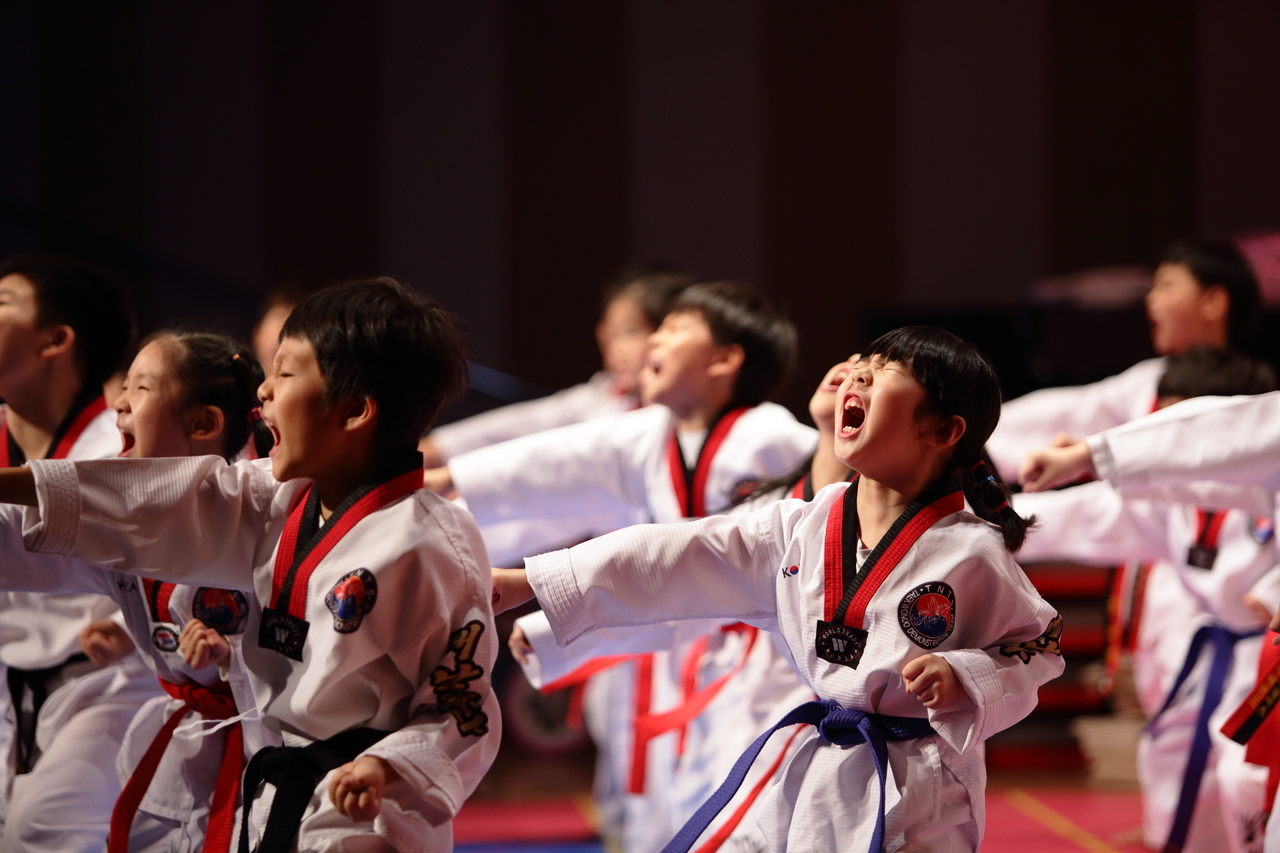
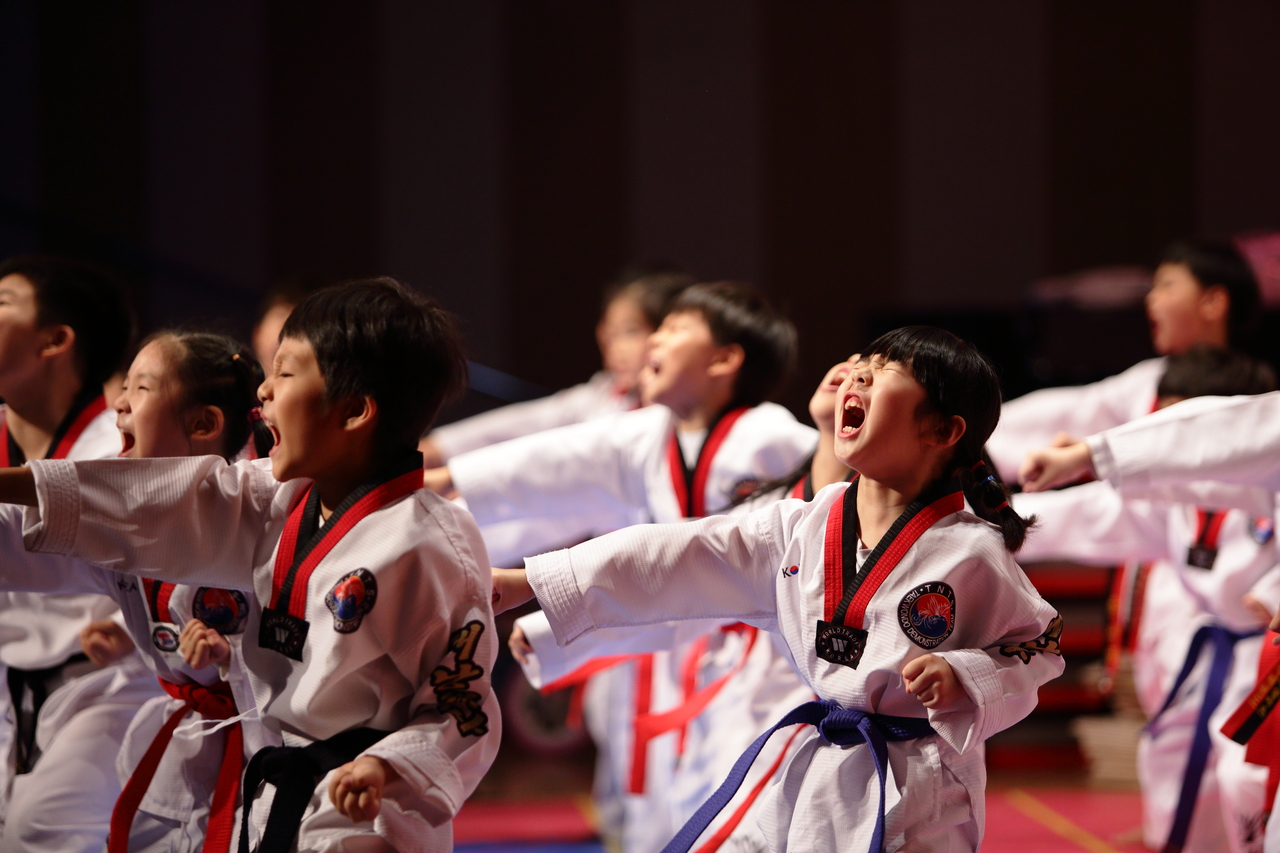
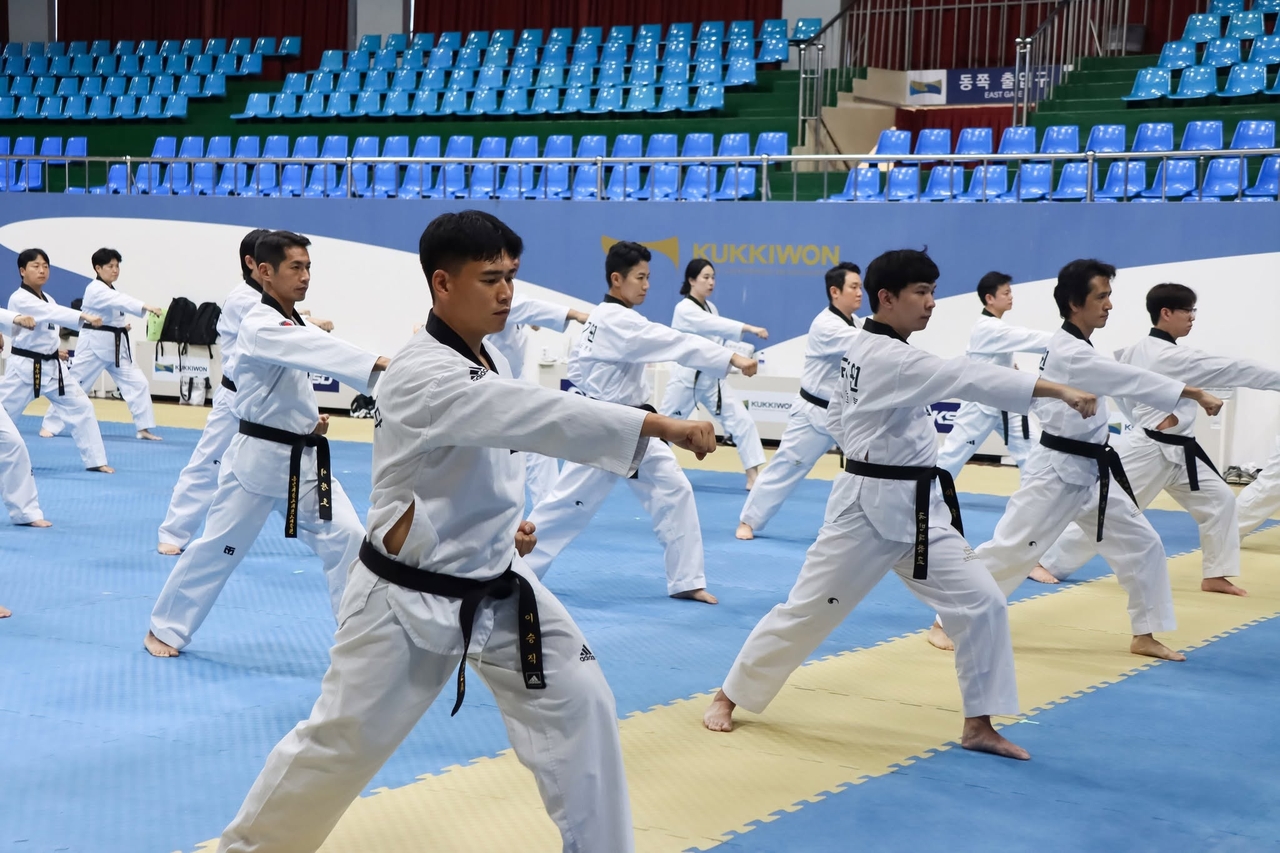
Widely regarded as the birthplace of taekwondo, South Korea has turned the martial art into both a global sport and a cultural export. Since taekwondo became an official Olympic medal sport at the 2000 Sydney Games, World Taekwondo, headquartered in Seoul, has expanded its reach to 215 national associations. An estimated 200 million people practice the sport worldwide.
Yet efforts to secure UNESCO recognition have repeatedly stalled. South Korea first explored an inscription as early as 2016, and in 2018, the two international taekwondo organizations representing the Koreas agreed to cooperate on a joint bid. But no formal nomination followed.
Momentum returned in 2021, when Kukkiwon, the World Taekwondo Headquarters in Seoul, established a task force to pursue UNESCO recognition. Progress was again delayed by disagreements over domestic procedures and a lack of coordination among the organizations involved.
One obstacle was the debate over whether taekwondo should first be designated as a national intangible cultural heritage, a step considered necessary for a UNESCO bid. The process was put on hold amid academic disagreements over the martial art's historical origins.
In the Thursday statement, the Korea Heritage Service said it had gone through a lengthy and complicated process since last year to bring together five major taekwondo organizations in South Korea and coordinate their positions.
The timing of the nominations also worked against South Korea. North Korea submitted its application in March 2024, while South Korea did not nominate taekwondo when the Korea Heritage Service opened its nomination process in 2023. Instead, it selected hanji-making for UNESCO consideration this year.
UNESCO's Intangible Cultural Heritage Committee limits the number of nominations it examines from countries with a large number of existing inscriptions, aiming to prevent a handful of countries from dominating the list and give greater opportunities to those with fewer recognized elements.
Under the system, South Korea effectively has one nomination considered every two years. With hanji-making already scheduled for 2026 and insam tradition submitted for 2028, a standalone taekwondo nomination might not be examined before 2030.
Regardless of the outcome of this year's review, the South Korean government said it will continue working to have taekwondo recognized on UNESCO's Intangible Cultural Heritage list.
Going separate ways
The original hope for taekwondo was to repeat an unusual moment of cultural cooperation between the two Koreas: their joint inscription of "ssireum," traditional Korean wrestling, in 2018.
That inscription was the first, and remains the only, joint listing by the two Koreas across UNESCO's three heritage categories: World Heritage, Intangible Cultural Heritage and Memory of the World.
The two Koreas had initially submitted separate nominations for ssireum, with South Korea filing in 2016 and North Korea in 2015. After UNESCO's evaluation body requested additional information, North Korea resubmitted its nomination in March 2017. Both Koreas subsequently sent separate letters to the UNESCO director-general requesting that their nominations be considered jointly.
The intergovernmental committee ultimately made an unprecedented decision to combine the two applications into a single inscription. It cited the sport's shared roots in Korean tradition, similarities in how it is practiced and passed down, and its common social and cultural significance in both societies.
The decision offered a rare example of how cultural heritage could serve as common ground despite the political division of the Korean Peninsula.
Despite their shared cultural roots, taekwondo in the two Koreas has evolved along different paths over decades of separation, with distinct styles and systems emerging on either side.
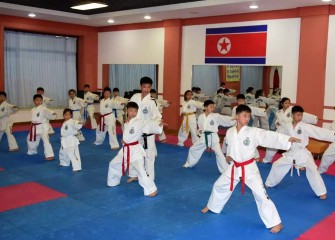
North Korea has developed its own taekwondo system under the International Taekwon-Do Federation, and it differs from South Korea's in terms of rules, training methods and overall structure. The ITF tradition places greater emphasis on traditional martial arts discipline and direct striking techniques using both hands and feet.
Experts say these differences, coupled with the gap in their respective nomination processes, make a joint inscription virtually impossible.
"With intangible heritage, what matters is how a community practices and transmits a tradition today. The idea is to recognize the diversity of how the same cultural tradition is passed down in different countries," said Kim Ji-hyun, manager of the Policy Team at the Korean National Commission for UNESCO.
An expert who has participated in intangible heritage research and assessments for more than two decades said the taekwondo case differed significantly from the joint inscription of ssireum in 2018.
"In the case of ssireum, both Koreas had already gone through the evaluation process," the expert said, noting that the two taekwondo nominations were at very different stages. "Given the circumstances, the general view is that a joint inscription is not feasible."
hwangdh@heraldcorp.com